Sugar Powered: A Designer's Take on This Sweet Embroidery Design
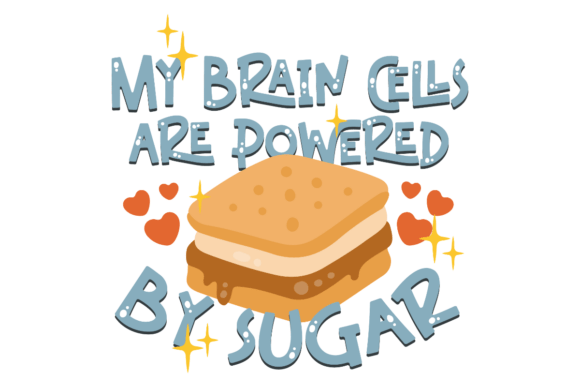
As someone who has spent years turning digital files into tangible, stitched treasures for clients and my own craft business, I look at a new design file with a critical eye. It isn't just about whether the image looks cute on a screen; it is about how it translates to thread, fabric, and the real world. When Sugar Powered landed in my inbox, I immediately thought of the snack-fueled afternoons we all have as creators. The description promises "melty chocolate and marshmallow goodness" for those running on sugar and sass. But does that translate well to a machine embroidery project? After running through some mental scenarios and visualizing this on various fabrics, here is my practical review of using Sugar Powered for your next handmade product.
The First Stitch: Visual Personality and Mood
The first thing that strikes me about Sugar Powered is its attitude. In the crowded world of Crafts and Graphics, designs often lean too heavily on being generic or overly sentimental. This piece cuts through that noise with a witty quote paired with imagery that suggests sweetness without being cloying. For an embroidery designer, mood is everything because it dictates the end-user's emotional connection to the finished product.
Visually, the layout appears designed to be approachable. The combination of text and the implied "melty" elements suggests a mix of stitch types that could create wonderful texture. I imagine this relying heavily on satin stitch for the outlines and lettering to give it that smooth, candy-like sheen, perhaps balanced with fill stitch for the larger shapes of the chocolate or marshmallows. If executed correctly, the contrast between the sharp lines of the typography and the softer, rounded shapes of the graphics will make the design pop. It feels less like a standard clipart and more like a statement piece intended for someone who appreciates a bit of humor in their daily routine.
Real-World Scenarios: Where Sugar Powered Shines
Let's move past the screen and talk about where this embroidery design would actually live. I recently considered using a similar vibe for a custom order for a local coffee shop owner who loved baking. Sugar Powered fits perfectly into that niche. Imagine stitching this onto a high-quality canvas tote bag for a bakery gift set. The playful nature of the quote aligns perfectly with the "snack-fueled" theme, making it an instant conversation starter for customers walking down the street.
For small business owners and Etsy sellers looking to expand their catalog, this design offers versatility. It works exceptionally well on kitchen towels or aprons. The concept of "running on sugar" pairs naturally with baking activities. I can easily visualize a mother wearing a personalized apron embroidered with this motif while whipping up cookies, or a teenager sporting a cropped sweatshirt with the design for a casual, trendy look. The design also scales well for baby items. A soft onesie or a nursery wall hanging featuring Sugar Powered adds a touch of modern whimsy to a baby's room, moving away from traditional, stuffy motifs.
Furthermore, the aesthetic is ideal for holiday gifting. During the winter season, when comfort wear is king, this design could be adapted for a cozy throw pillow or a blanket. The warm tones implied by the chocolate and marshmallow theme fit the holiday palette naturally. For boutique branding, placing this on a hang tag or a small patch attached to a garment adds a layer of personality that mass-produced items simply cannot match. It elevates the perceived value of the item, signaling to the buyer that this was made with care and a specific sense of style.
Technical Considerations and Fabric Challenges
However, not every surface is created equal, and as an experienced reviewer, I must point out where Sugar Powered might face hurdles. The success of any embroidery project depends heavily on the substrate. If you plan to use this on a stretchy fabric like a thin cotton t-shirt or a jersey knit, you need to be extremely careful. The design likely contains curves and potentially dense areas that could pucker if the stabilizer isn't applied correctly. Using a cut-away stabilizer would be essential here to maintain the integrity of the stitches over time.
Texture is another factor. While a smooth cotton twill cap is a great candidate, a heavily textured fabric like a chunky wool sweater might hide the finer details of the design. If the "melty" parts of the graphic rely on small, intricate details, they could get lost in the weave of a thick fabric. Similarly, if you are working with dark fabrics, the thread color choice becomes critical. You would need to ensure there is enough contrast so the white or light-colored threads don't disappear into the background. Always test the thread colors against the actual fabric before committing to a full production run.
Hoop size is also a practical constraint. If the design includes tiny lettering or very small decorative accents, you might find yourself limited by smaller hoop sizes. On a curved surface like a baseball cap, maintaining consistent tension across the entire curve can be tricky. If the design has long straight lines, they might warp slightly when pulled tight around the curvature of a hat. For these applications, I recommend doing a test run on scrap material to check the tension and alignment.
Design Assets and Commercial Use
For those of you selling finished products or digital assets, the licensing terms are paramount. Before listing Sugar Powered on your Etsy shop or using it for commercial embroidery projects, double-check the license agreement provided by the creator. Some files allow for unlimited personal use but restrict commercial sales, while others may require a specific commercial license. Understanding these boundaries protects your craft business from legal issues.
When preparing mockups for your listings, remember that digital previews do not always capture the texture of thread. A printable mockup can show the placement, but it won't convey the dimensionality of the stitching. To build trust with your buyers, consider photographing a physical sample of the design on different fabrics. Show them how the stitch density looks on a tote bag versus a baby shirt. This transparency helps manage expectations and reduces returns.
Practical Designer Notes for Success
If you decide to bring Sugar Powered to life, follow these steps to ensure a professional finish:
- Test on Scrap: Never start with your final customer item. Run the embroidery file on a scrap of the same fabric and stabilizer combination to check for puckering or misalignment.
- Check Thread Contrast: Ensure the chosen thread colors provide enough visibility against the fabric. Light threads on light fabric can look muddy; dark threads on dark fabric can vanish.
- Review Density: Look closely at the fill stitch areas. If the design is too dense, it may become stiff and uncomfortable, especially on baby clothes or apparel worn close to the skin.
- Inspect Small Details: Zoom in on the digital preview to see if any letters or graphic corners are too small to be stitched clearly. Tiny details often get lost in the thread thickness.
- Confirm Licensing: Verify if the file allows for commercial use if you intend to sell the finished handmade product.
- Use Proper Stabilizer: Match the stabilizer weight to the fabric. Heavy fabrics need heavy stabilizers, and vice versa, to prevent distortion.
In conclusion, Sugar Powered is a charming addition to the world of machine embroidery design. It brings a fresh, relatable energy that resonates with modern makers and consumers alike. Whether you are creating a personalized gift for a friend or expanding your inventory as an Etsy seller, this design has the potential to stand out. By paying attention to fabric selection, stabilization, and proper testing, you can turn this sweet concept into a polished, professional finished product that people will love to wear and display.