Plant Whisperer: A Designer's Review for Real Embroidery Projects
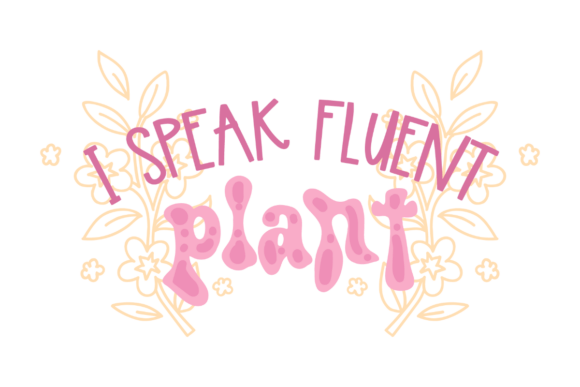
When I first opened the Plant Whisperer file, my immediate reaction was a mix of delight and practical scrutiny. As someone who has stitched thousands of designs for clients ranging from boutique owners to hobbyists, I know that a pretty preview image does not always translate to a perfect finished product. This design falls squarely into the Crafts and Graphics categories, but its true value lies in how it functions as a machine embroidery design. It promises a playful, botanical vibe that celebrates "leafy friendships," which is a strong hook for anyone selling personalized gifts or handmade merchandise.
The layout feels organic rather than rigid. The quote is integrated with floral elements in a way that suggests movement, making it ideal for items where you want the eye to wander gently across the fabric. However, before I commit this to a client's order, I need to understand how those curves hold up under the needle. Let's dive into how Plant Whisperer performs when moving from the screen to the hoop.
First Impressions: Mood and Visual Personality
The design exudes a warm, welcoming energy. It is not overly formal or corporate; instead, it feels like a conversation starter at a craft fair. The balance between the text and the botanical illustrations is well-calculated. In the world of embroidery files, getting the ratio right is crucial. If the flowers overwhelm the text, the message gets lost. If the text dominates, the charm fades. Plant Whisperer manages to keep both elements distinct yet harmonious.
Visually, it screams "handmade." There is a specific texture here that implies softness, which is exactly what buyers look for when purchasing items for their homes or personal wear. It creates an emotional connection immediately. For a small business owner looking to stock Etsy listings or create craft business inventory, this design offers a high perceived value. It looks professional enough to be sold as a premium item but casual enough to fit into a cozy, bohemian aesthetic.
Real-World Application: From Tote Bags to Nursery Decor
I recently considered using Plant Whisperer for a custom order involving canvas tote bags. The sturdy nature of canvas usually handles dense stitching well, but the challenge often lies in the thread contrast. Imagine a natural beige bag with sage green leaves and deep forest green stems. That combination would make the design pop without being jarring. The satin stitch used for the outlines would provide a nice sheen against the matte canvas, elevating the finished product.
Beyond totes, I see this design thriving on baby clothes. A onesie featuring this playful quote could become a cherished personalized gift for a new parent who loves gardening. The soft curves of the floral elements are gentle and non-threatening, which works perfectly for baby embroidery. Similarly, placing this on a linen tea towel or a kitchen apron would add a touch of personality to a home cook's workspace. The design is versatile enough to work on sweatshirt embroidery as well, perhaps placed over the heart on a hoodie for a subtle statement.
For those creating digital assets, Plant Whisperer serves as an excellent base for printable mockups. You can visualize it on various backgrounds to show potential customers how it might look on different products. Whether it is for a holiday gift, a wedding favor, or a boutique branding piece, the versatility is undeniable. It fits seamlessly into commercial embroidery projects where consistency and appeal are paramount.
Where to Exercise Caution: Fabric and Stitch Density
While the design is charming, no single file is a universal solution. There are specific scenarios where Plant Whisperer requires careful consideration. First, consider the hoop size. If the design includes intricate details in the corners of the flowers, a very small hoop might cut off essential elements or cause the machine to struggle with tension.
Fabric choice is another critical factor. On stretchy fabrics like jersey knit, the density of the fill stitches could cause puckering if not stabilized correctly. You must use a proper stabilizer to ensure the design sits flat. Thin fabrics, such as sheer cotton or lightweight silk, might not support the weight of the threads, leading to distortion. In these cases, a lighter running stitch approach might be better, but since this design likely uses a mix of stitches, testing is non-negotiable.
Dark fabrics present a unique challenge. If the background is black or navy, you will need to evaluate your thread colors carefully. Light-colored threads may get lost in the weave of dark fabric unless a high-quality underlay is used. Additionally, curved surfaces like baseball caps require precise digitizing. If the design is too wide or the lettering is too tight, it may not follow the curvature of the cap naturally, resulting in a distorted look. Always inspect small details on curved surfaces before mass production.
Impact on Brand Value and Customer Trust
In the competitive world of handmade goods, the quality of your embroidery speaks volumes about your brand. A sloppy execution of Plant Whisperer can undermine customer trust, while a clean, crisp finish builds loyalty. When a buyer sees a well-executed design on a tote bag design or a custom apparel item, they perceive higher value. They are willing to pay more for a product that looks professionally made.
This design also aids in brand consistency. If you run a shop focused on nature, wellness, or lifestyle, having a signature style like this helps establish recognition. It becomes part of your visual identity. Customers start to associate the "whisperer" motif with your specific aesthetic. This is particularly important for small shop products trying to stand out in crowded marketplaces. A cohesive look across all your items—from embroidered patches to pillow covers—creates a sense of reliability.
Practical Notes for the Embroidery Designer
Before you rush to the machine, there are several steps every designer should take. Start by testing the design on scrap fabric that matches your final project material. This allows you to check for any tension issues or thread breaks before touching the actual product. Pay close attention to the stitch density; areas that are too dense can make the fabric stiff and uncomfortable, while areas that are too sparse may look patchy.
Review the file formats and compatibility with your machine. Ensure that the design is optimized for the type of stabilizer you plan to use. If you are unsure about the exact specifications, such as the recommended hoop size or specific thread counts, check the original source documentation. Do not guess, as incorrect settings can ruin expensive materials.
It is also wise to test the design in black and white mockups. This helps you visualize the contrast and composition without the distraction of color. Compare how it looks on light versus dark backgrounds to ensure the thread colors will deliver the intended effect. Finally, confirm the licensing terms. Are you allowed to sell finished items made with this digital embroidery file? Understanding the commercial rights is essential for avoiding legal issues in your craft business.
Plant Whisperer is more than just a pretty graphic; it is a tool for creative entrepreneurs and makers. With the right preparation and technical care, it can transform simple fabrics into memorable keepsakes. Whether you are creating a one-off gift or building a line of holiday embroidery products, this design offers a solid foundation for success. Just remember that the magic happens in the details—the stabilizer, the tension, and the final inspection. Take your time, test thoroughly, and let the botanical beauty shine through in your next embroidery project.